
Commonly asked questions

What new clients ask before they send the first file.

From new clients

What new clients usually want to know.

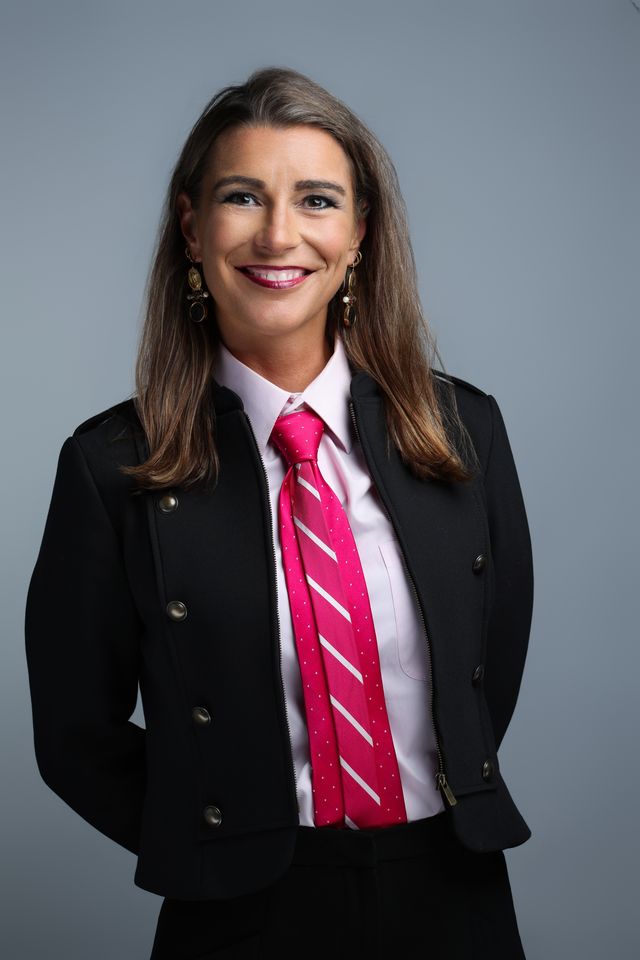
Sarah N. Dimmich in a black jacket and magenta tie, studio portrait

What can I expect on the decision to settle or try a case?

A straight read on the strengths and the weaknesses in the first week, and a revised one every time discovery moves the risk. I won't lean on you to settle. The decision is yours, and I'll make sure you have what you need to make it.

Claims departments are expert at resolving cases and don't need me to explain their own business to them. If the goal is an early resolution, the work is aimed there: the discovery that moves the number, and none that doesn't. If the goal is a verdict, the file is built for a jury from the start. Either way, you know what you're paying for and why.

For my railroads: What's the advantage of hiring a lawyer who has spent a career in railroad defense?

Railroad cases involve rules, equipment and records that take years to learn. I've spent most of my career on them.

Most of my docket is still railroad work, but not all of it.

How do you identify the right experts and develop the technical arguments?

A great deal of a defense turns on having the right specialist, and on having them early. Years in the same kinds of case mean I'm not starting from a blank page when a file needs a track engineer, a human factors expert, or a physician who has actually been cross-examined on an occupational exposure claim.

I know who is credible, who holds up under cross, and who the other side is likely to call. It shortens the front end of a case considerably, and it keeps you from paying me to learn a field somebody has already mapped.

How often will I hear from my attorney about developments in the case?

That's your call, but most of the clients I represent prefer a team approach. My staff and I handle the routine day-to-day work, and anything involving strategy or real exposure comes to you. We make those decisions together.

Whether it's a shift in settlement value or something new out of discovery, the loop stays open. Nobody in your legal or claims department should ever learn something about your own case from the other side, and the defense should stay pointed at what you're trying to accomplish rather than at what the lawyer finds interesting.

What does a firm this size give you?

What it gives you is the same person on the call, at the deposition, and at counsel table. My staff keeps the file moving: the record requests, the subpoenas, the exhibits, and the calendar. That leaves my time for the work only a lawyer should be doing.

When a case or a docket calls for more hands than my office has, for a large document review or a second chair at trial, I bring in experienced attorneys on a contract basis. I always get your permission before I do, every one of them clears a conflict check before coming onto the case, and I stay the lawyer responsible for every file. They're chosen for that case, they leave when the work is done, and you pay for them only while they're needed.

Do you take plaintiff's cases?

Yes. I represent plaintiffs as well as defendants.

Before I take any case, I check it against my current clients. I won't take a case against a client or against the industries I represent.